What is Power Generation?
Definition of a power plant is an industrial system that consists of combination of too many machines and processes in order to generate and deliver mechanical or electrical energy. There are several types of energy that are electrical, thermal, chemical, nuclear and radiant.
Power plants may be separated two main classifications:
1. Conventional Power Plants
- Steam Engines Power Plants
- Steam Turbine Power Plants
- Diesel Power Plants
- Gas Turbine Power Plants
- Hydro-Electric Power Plants
- Nuclear Power Plants.
2. Non-Conventional Power Plants
- Thermoelectric Generator
- Therm-ionic Generator
- Fuel-cells Power Plants
- Photovoltaic Solar Cells Power System
- MHD Power Plants (Magnetohydrodynamic)
- Fusion Reactor NPP Power System
- Biogas, Biomass Energy Power System
- Geothermal Energy
- Wind Energy Power System
- Ocean Thermal Energy Conversion (OTEC)
- Wave and Tidal Wave
The most commonly used fossil fuel sources are coal, petroleum and gas in many power plant types.The most commonly used fossil fuel sources are coal, petroleum and gas in many power plant types. Roots blowers are used to blow pulverized coal, supply the air to internal combustion in power generation industry.
Pasifik Blower
How to use roots blowers in power generation industry?
Roots Blowers for Ball and Race Mill:
Coal is one of the main fuels of power plants. To get maximum efficiency from combustion of coal, the coal should be pulverized. Ball and race mills are employed to pulverize the coal. The roots blower is used to blow the pulverized coal to burner.
Roots Blowers as Supercharges of Diesel Power Plants:
Rotary lobe blowers are employed to supply greater quantity of air to an internal combustion (IC) engine in order to increase existing capacity of engine. Creating supercharging by means of roots blowers has great advantages for diesel plants. It provides fuel economy, volumetric efficieny, fuel knock, mechanical efficiency and pover increase.
Roots Blowers for Pneumatic Transport in Power Generation Industry:
Roots blowers are employed in pneumatic conveying system which is a part of power generation industry. Please click here for more information about pneumatic transport.
Three Lobes Roots Blowers
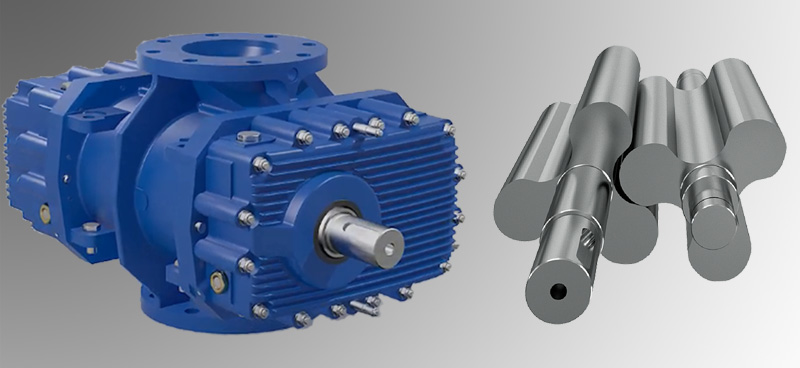
There are eight different tri-lobe roots blowers that we have produced with various capacities and dimensions.
Two Lobes Roots Blowers
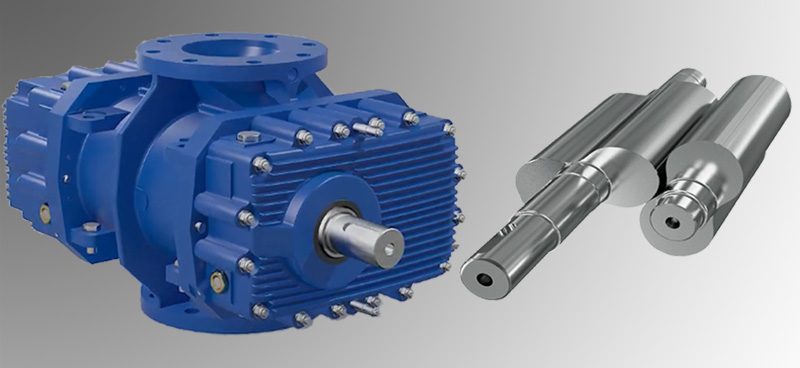
There are eight different two lobe roots blowers that we have produced with various capacities and dimensions.
Related Articles about Roots Blowers Applications in Industry

Pneumatic Conveying
Roots Blowers Applications

Food Industry
Roots Blowers Applications

Waste Water Treatment
Roots Blowers Applications

Power Generation
Roots Blowers Applications

Chemical Industry
Roots Blowers Applications

Mining Industry
Roots Blowers Applications

Fish Farms and Aquaculture
Roots Blowers Applications

Biogas and Biomethane Facilities
Roots Blowers Applications
Thermoforming
Roots Blowers Applications

Surface Treatment
Roots Blowers Applications

Thin Film
Roots Blowers Applications

Soil Remediation
Roots Blowers Applications
Send a Message to Pasifik Blower